Wednesday, July 30, 2008
Backlash Erupts Against Victories in NM by Ethical Progressives and the Growing Power of Reform Groups
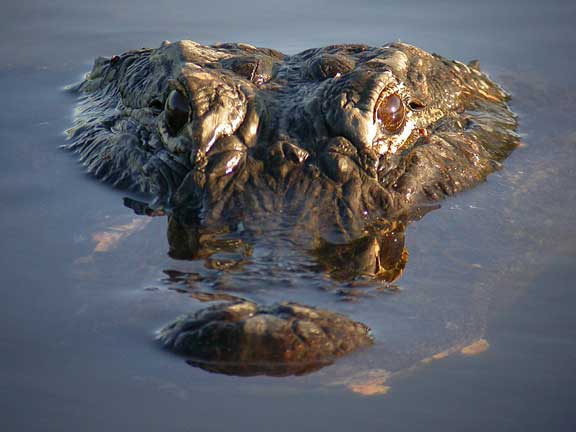 Oooh, oooh, that smell. Recent braying by the usual suspects about what is clearly constitutionally protected first amendment speech has erupted at both the conveniently anonymous Eye on Albuquerque (hi Whitney?) and the shifty alligator shack.
 What are they whining about? What's clearly bugging them is that factual mailings and ads about issues by certain nonpartisan, nonprofit groups are helping to gain support for progressive issues, and thus the ethical, progressive candidates who support them in New Mexico. Bad news for the crooks and wall-leaning lobbyists for special interests. Good news for the people.
We can't have that. It threatens the monied, elite forces who like to be in charge and who use disinformation, unattributed innuendo and dishonest spin in an attempt to stay there. Facts (and voting records) are the enemies of this bunch. They win if people are uninformed or misinformed. They benefit from keeping voters in the dark about what's really happening and who's benefiting.
We've Seen This Play Before
The two (or more) bloggers are blowing smoke with their accusations of illegal actions on the part of the nonprofits they're going after. The stir they're trying to create is similar to the thoroughly discredited efforts by forces within the GOP to convince people there's massive voter fraud going on. You remember the David Iglesias case, don't you? And how the U.S Attorney's office couldn't come up with a single prosecutable case of voter fraud in New Mexico? Such realities never stop the forces of distortion, however. We've seen it time and time again.
If their view of what is and what is not allowable under the law for such groups were to hold sway, a multitude of issue-based non-profits and so-called 527s here and around the nation would be deemed to be breaking the law, and doing it for many years. The laws governing such groups are detailed and specific. Generally, they cannot directly advocate for a specific candidate by name or coordinate their actions with campaigns. But such groups are definitely free to distribute anything they want about issues or document the voting records, positions and actions of any candidate on the issues being discussed. Period.
We Don't Want No Stinkin' Reform
The bloggers and those stealthy and unnamed "insiders" behind the recent attacks know this. But they are choosing to ignore reality so they can strike back against forces that are having success in promoting progressive issues and positions. They know that progressives and reformers often win when voters are informed on the issues.
Witness the victories of ethical reformers like Eric Griego, Eleanor Chavez and Tim Keller, who recently won state legislative primary races against lazy, compromised, long-time incumbents who had abandoned the needs of their districts in favor of furthering the agendas of special interests in the New Mexico Legislature. Rest assured that those wins rankled and scared the business-as-usual status-quo pushers. They don't like it when the people come before the lobbyists.
You can start giving the alligator shack and Eye on Albuquerque credibility on the ethics issue when they start being as up-at-arms about the filthy swiftboaters of the right, often funded almost entirely by incredibly wealthy rightwingers in Texas. Don't hold your breath.
Swampsters Have History of Snarling at Reform
Remember, the gator farm was the force behind that infamous "contest" that called for students to submit a "sensible plan" for ethics reform. At the time, the reptiles were claiming ethics reform bills were stalled in the New Mexico Legislature not because certain state reps and senators don't like the idea of oversight -- but because those lobbying for reform were ineffective in some way. For background, you can read my previous post about the reptilian attack on ethics and campaign reform and those who advocate it, and how that crude contest ploy played out in posts at New Mexico FBIHOP and m-pyre.
 Now those fighting tooth and nail against giving up the quid-pro-quo gravy train are going a step further in hypocrisy -- suggesting that the reform groups fighting against corruption are themselves corrupt or compromised in some way. What's fueling this sturm und drang? Panic in the dark nooks and crannies of the power elites.
Pushing Gary King
What the pushers behind the blogger mouthpieces clearly are doing is attempting to pressure Attorney General Gary King to go after those fighting for ethics and campaign reform, improved health care and other important mainstream goals. Let's hope that King has his head on straight when he deals officially with the accusations of those who want to keep certain puppets in power. If he caves to the whining, I think he'll have some significant legal battles on his hands locally and nationally -- a real firestorm.
The rules governing nonprofits, 527s, etc. are pretty clear. My understanding is that unless there's blatant campaigning afoot that's directly pushing a certain candidate by name, or it can be proven that a group is coordinating its actions with a candidate, there's nothing illegal taking place.
Then again, the alligators, eyes on Albuquerque, special interest lobbyists and threatened legislative candidates aren't really concerned about the law. They're trying to raise a ruckus because the voting public is finally getting more access to the facts about voting records and how those who are supposed to represent them are instead at the beck and call of powerful, monied interests concerned primarily about their own bottom lines. Knowledge on the part of voters is considered a bad thing by the business-as-usual contingent -- so they're going after those who have the nerve to communicate the facts to the people. And trying to label that illegal. Shame, shame, shame. And transparent as hell.
Technorati Tags:
July 30, 2008 at 11:59 AM in 2008 NM State Legislature Races, Corporatism, Ethics & Campaign Reform, Progressivism | Permalink | Comments (12)
Tuesday, June 17, 2008
NM Dem Party Demands That Pearce Return Tainted Money; GOP Going Off the Tracks?
CALLING STEVE PEARCE: Return the money from discredited Texan Clayton Williams, and repudiate his repulsive remarks about rape.
John McCain was forced to cancel a Texas fundraiser this past weekend hosted by oil man Clayton Williams after he was confronted with sexist quotes made by the monied GOP donor but has so far refused to return more than $300,000 his campaign Williams has raised for McCain. The most egregious prounouncement by Williams equated rape with the weather, saying "as long as it's inevitable, you might as well lie back and enjoy it."
As I previously posted, Steve Pearce, the GOP's candidate for U.S. Senate in New Mexico, has gotten $4,000 from Williams going back to his 2006 campaign for Congress -- plus who knows how much more from donors "bundled" by Williams. The Democratic Party of New Mexico is now demanding that Pearce return the money.
"Steve Pearce and John McCain need to do the right thing and return every dollar they have gotten from their sexist and misguided friend, Clayton Williams," said Conchita Cruz, Press Secretary for the Democratic Party of New Mexico. "Pearce's silence on the matter is unacceptable, as Williams' words are disturbing and out of step with New Mexico values."
Ironically, one of the major mantras of Pearce's campaign is that he "represents New Mexico values." Guess not, at least when it comes to taking campaign contributions. No wonder Sen. John Ensign, who heads the GOP's Senate campaign committee, was quoted as saying that putting money into races Repubs can't win, like the one in New Mexico, would be a waste.
GOP Woes
It appears that GOP candidates -- as well as the Republican Party itself -- are in big trouble this election cycle. And the tension and bad blood within the Party are growing. Check out Peter St. Cyr's post (and extensive audio) reporting on the New Mexico GOP's convention in Las Cruces last Saturday. One controversy at the event resulted in Albuquerque delegate Patrick Marron being tossed out for trying to ask a question about the ban on taking photos or recording the event. State Party Chair Allen Weh defended the move:
“Other state’s run their conventions by Robert’s Rules,” said Chairman Allen Weh. “Not ours. This convention was run by the chairman’s gavel. ... “It’s my bat, my ball, and he [Marron] struck out.”
Ooooh, how autocratic! Weh and his pals probably think Robert's Rules are un-American. Order before democracy! And I wonder why they're so paranoid about people taking pics or taping the proceedings.
According to St. Cyr, Jeff Wright, state field director of U.S. Rep. Ron Paul's presidential campaign, was also closed out of the meeting (at least the SCC meeting portion):
"What we want is the beginning of a recognition that the Republican Party has gone far afield," said Wright ... It's not about the man, it's the message. The Republican Party is damn near about to go off the tracks."
Technorati Tags:
June 17, 2008 at 12:18 PM in 2008 General Presidential Election, 2008 NM Senate Race, Democratic Party, Ethics & Campaign Reform, Republican Party | Permalink | Comments (0)
Friday, May 30, 2008
SD 14: What is James Taylor Hiding? Fails to Submit Campaign Donation Report
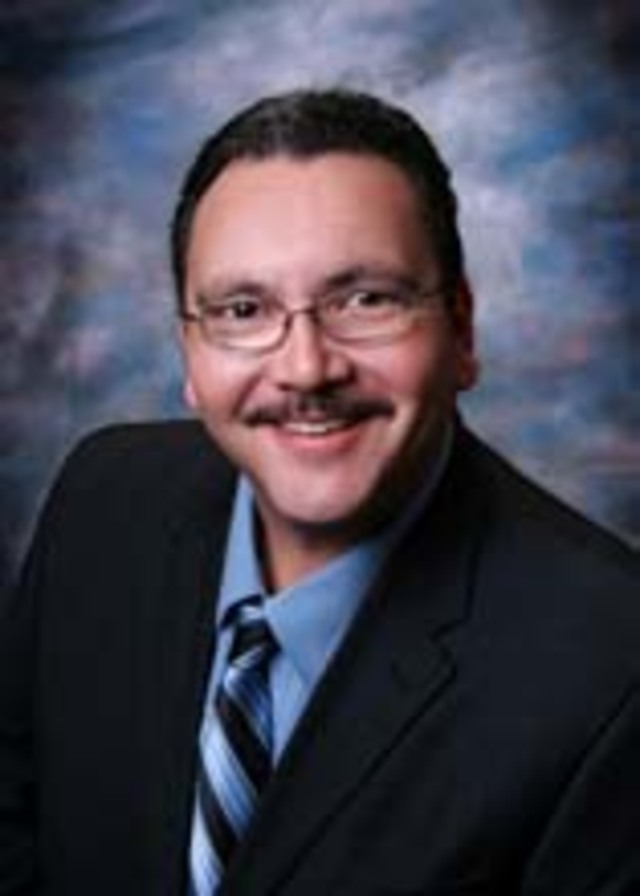 James G. Taylor (right), the incumbent Dem State Senator in District 14, has failed to submit his latest financial report on contributions to his campaign, which was due yesterday. He'll be charged with an ethics violation and fined, a price Taylor is apparently ready to pay in order to keep his last-minute donors secret until after Tuesday's primary election. He is in violation of the Campaign Reporting Act Statue 1-19-35, page 14, "Reports and Statements; late filing penalty; failure to file." The penalty for late filing of the report due the Thursday before an election is $500 plus $50 per day for each additional working day the report is late.
This isn't the first time Taylor has failed to meet a reporting deadline. He was nine days late filing his last required contribution report, originally due on May 12th. The Secretary of State extended the deadline until the 13th, and Taylor finally turned it in on May 22. For some reason, he's having a hard time following the rules.
Taylor is facing a strong primary challenge from former Albuquerque City Councilor Eric Griego. Griego is known for his support of well-planned and integrated "smart growth" -- development done in a manner that follows common sense guidelines, favors infill and doesn't produce harmful, overbuilt sprawl. In contrast, Taylor is clearly on the side of those who believe in giving big developers taxpayer-funded "tax increment financing" to build what they were already going to build -- and doing so without asking much in return in meeting standards for planning, design, timing, job development or anything else.
So what is James Taylor trying to hide by failing to file his latest financial report on time?
Connections with SunCal, Atrisco Oil and Gas
Could it that he doesn't want to call attention to generous campaign contributions from donors associated with Sun-Cal, Atrisco Oil and Gas and others pushing for taxpayer subsidies and against meaningful regulation of their massive projects proposed for the West Side?
As reported in an article in today's Albuquerque Journal, Atrisco Oil and Gas is going so far as to host a special picnic and rally tomorrow in support of certain incumbent candidates, including Taylor, who can be expected to back their business interests without restraint. Officials from SunCal will also address the crowd:
The Atrisco heirs organization, Atrisco Oil and Gas, is holding a picnic rally Sunday for legislators they endorse in coming elections. Along with letting three legislators with primary elections Tuesday speak, the company has invited three other legislators and West Side development company SunCal Cos. to address the crowd, Atrisco President Peter Sanchez said.
The rally is being questioned on ethical grounds:
Some community groups think the event, which is allowable under state law, is too big of a mix of corporate interest and state government.
"I don't think the question is whether it's legal, it's whether it's ethical," said Gabriel Nims, executive director of 1,000 Friends of New Mexico.
Steve Allen, Common Cause New Mexico executive director, said a large corporation spending money just before an election skews the playing field in politics. "It becomes dangerously close to the influence peddling the ordinary voter is skeptical of," he said.
[Nimms added] "What's so alarming ... is that it's so blatant in working to preserve the business interests of (Atrisco and SunCal).
... SunCal recently bought 57,000 acres from the shareholders of Westland, the corporate successor to the Atrisco Land Grant, for $250 million and has plans to develop it. Atrisco contracted with a company last year to begin searching for natural gas inside the property, as well.
A story by Barbara Armijo in today's New Mexico Independent also discusses tomorrow's rally for Taylor and two other incumbents:
The intra-party battle between the incumbents and their challengers appears, in part, to revolve around how to pay for development of West Side, specifically the idea of earmarking future tax revenue to pay for roads and water and sewer lines that will help SunCal develop its planned community. That is what is called for in creating a tax increment development district whereby future gross receipts taxes are used by SunCal to help pay for roads, water and sewer lines.
That means those tax dollars won't be available to the state in the future to help fund state programs, said Eric Griego, a former Albuquerque City Councilor and deputy state economic development secretary under Gov. Bill Richardson who is running against Taylor.
"I don't believe we should be giving tax dollars away to corporations that will be building there any way," Griego said. "It's unfair to the average taxpayer. Why are taxpayers paying for new infrastructure" where most of them won't live. Griego would prefer impact fees, he said.
... Shares of Westland were sold to SunCal in 2006, but as part of the agreement for the sale, former shareholders retained certain oil and mineral rights, which Atrisco Oil and Gas oversees. Atrisco has leases for three wells from Tecton Energy Corp., a Houston-based company, for natural gas and other mineral exploration on some of the 55,000 acres it sold to SunCal.
Support the Clean Government Candidate
If you'd like to support Eric Griego's campaign challenging James Taylor, he can use all the help he can get from now through Tuesday's primary. Click here to volunteer or make a donation. Griego's not getting big dollar donations from corporate concerns seeking favors, like Taylor apparently is. Griego can definitely win this race, but he needs our support to do it. To help change the business-as-usual politics we've seen way too much of, we need to actively support honest, ethical legislastive candidates with the gumption to challenge those entrenched in special interest politics. Do it now.
Technorati Tags:
May 30, 2008 at 03:46 PM in 2008 NM State Legislature Races, Corporatism, Ethics & Campaign Reform, Sprawl Development | Permalink | Comments (1)
Tuesday, May 20, 2008
SD 17: "Alligators" Uninterested in Shannon Robinson Scandals?
 Longtime incumbent Dem State Senator Shannon Robinson is facing a tough primary challenge from political newcomer Tim Keller, who's campaigning hard in District 17 on issues like ethics and campaign finance reform, health care, education and local small business development. Robinson has been accused by many in the District of being out of touch with residents and neglectful of the community's needs for balanced economic development and investment. They say Robinson has been so caught up in finding less than respectable ways to fund his hobby -- the UNM Rugby Club -- and paying too much attention to serving the needs of politicos with power that he's no longer effectively serving his constituents.
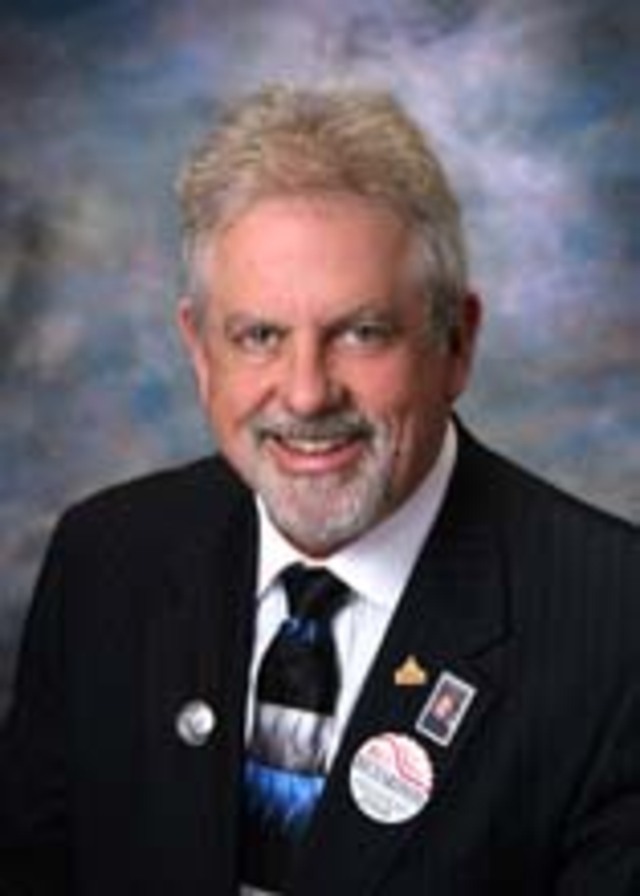 The brouhaha about Robinson's (left) shortcomings and questionable practices has broken through into the media, with extensive coverage of his Rugby Club shenanigans related to funding from UNM and the Legislature, as well as his failure to report a rather long list of misdemeanor run-ins with the law in his answers to questions posed to him by the Albuquerque Journal. These scandals have also gotten their fair share of coverage in the local blogs. A good summary of the scandals -- and Robinson's history of fighting reform -- is contained in this post by Heath Haussamen. However, one blogger has been strangely silent about the matter.
Joe Monahan and his "Alligators" have taken a "see-no-evil" stance when it comes to Robinson's transgressions. I see that this morning Joe finally mentioned Shannon Robinson's big problems with ethics and credibility, but only in passing:
Robinson has been the subject of some unfavorable newspaper pieces in recent weeks, but friends say he is off the couch and on the sidewalks to keep the seat.
Here's a blogger whose "Alligators" are frequently weighing in on political rumors and scandals -- perceived or real -- and yet they've remained mum as a slew of well documented articles have reported on the more than questionable dealings of long-time incumbent Shannon Robinson. Just for starters:
Albuquerque Journal Stories (7 Stories; 2 editorials)
- 1/13/08, Money Scrum; UNM Think Tank Cash Diverted to Rugby
- 1/18/08, VP Knew of Rugby Funding
- 1/20/08, Editorial: Complex Handoff Pays Rugby Player Tutition
- 1/21/08, Rugby Figure Revised Downward; Auditors still say Cash diversion from UNM Think Tank to team improper
- 2/7/08, More State Cash for Rugby; UNM official says school didn't ask for $150K
- 2/9/08, Editorial: Rugby Scores Again
- 2/23/08, Rugby Flap Spurs Changes at UNM; School Tightens Spending Rules
- 5/11/08 Lawmaker/Coach Calls the Shots For UNM Rugby
- 5/13/08 Veteran Lawmaker Fails to Disclose Violations
Latest Robinson Scandal
Guess what? Today's Journal reports on ANOTHER accusation of cheating on the part of Robinson, this time leveled by two local environmental groups. Seems that Robinson used the names and logos of Environment New Mexico and Conservation Voters New Mexico on his latest flyer and campaign website in a way the groups believe is meant to suggest he's received their endorsements. He hasn't. Representatives of the groups are asking Robinson to stop circulating the flyers and remove the references from his website:
Environment New Mexico sent out a letter Thursday asking Robinson to stop distributing the flier and to remove certain references to the organization on his Web site.
Robinson said Friday that he had removed Environment New Mexico references from his Web site, www.reelectshannonrobinson.com, but that he had no way to recall the fliers.
Sandy Buffett, Conservation Voters New Mexico executive director, said the flier gives the wrong impression.
"It's outrageous he would try to confuse voters with the unauthorized use of our logo and brand," Buffett said.
Why is Monhan's Silence An Issue?
Monahan didn't mention the environmental groups' complaints this morning either. He did include two offhand slaps at Keller, who is running as a strong supporter of ethics reform and the need for some house cleaning in government. Change vs. business as usual.
I guess it's really not surprising given the mockery that's been aimed at ethics and campaign finance reform efforts by Monahan and his so-called "wall leaner" insiders. Shannon Robinson has been an impediment to a number of reform measures in the Legislature, so he's apparently on the Alligator love list. He's one of them -- he plays along with the insider club -- so they no doubt have a strong inclination to band together to protect Robinson and his power base.
I think it's important that Monahan be called on his omissions and distortions given that so many seem to view him as a neutral, "journalistic" reporter on local politics. Not exactly. If you look carefully, you'll see that quite often there's a clear agenda that shades his commenting, on this and other races. Nothing wrong with that -- unless you're selling yourself as being fair and impartial. If you're an advocate, you should make that clear and quit portraying yourself as "nonpartisan" and interested only in the facts. Get it, Joe?
DFA-Democracy for New Mexico has endorsed Tim Keller for Senate. Others that have endorsed Keller include:
- Albuquerque Teachers Federation
- National Educational Association, New Mexico
- New Mexico Professional Fire Fighters Association
- Conservation Voters New Mexico
- ACORN, New Mexico
- New Mexico Progressive Action
- Albuquerque Area Firefighters Local 244
- Sierra Club
- Albuquerque Journal
If you want to bring back honest government at the Roundhouse, please do what you can to support Keller's campaign.
Technorati Tags:
May 20, 2008 at 11:37 AM in 2008 NM State Legislature Races, Ethics & Campaign Reform, Local Politics, Media | Permalink | Comments (4)
Tuesday, May 13, 2008
State Auditor Balderas Hosts Delegation From Africa
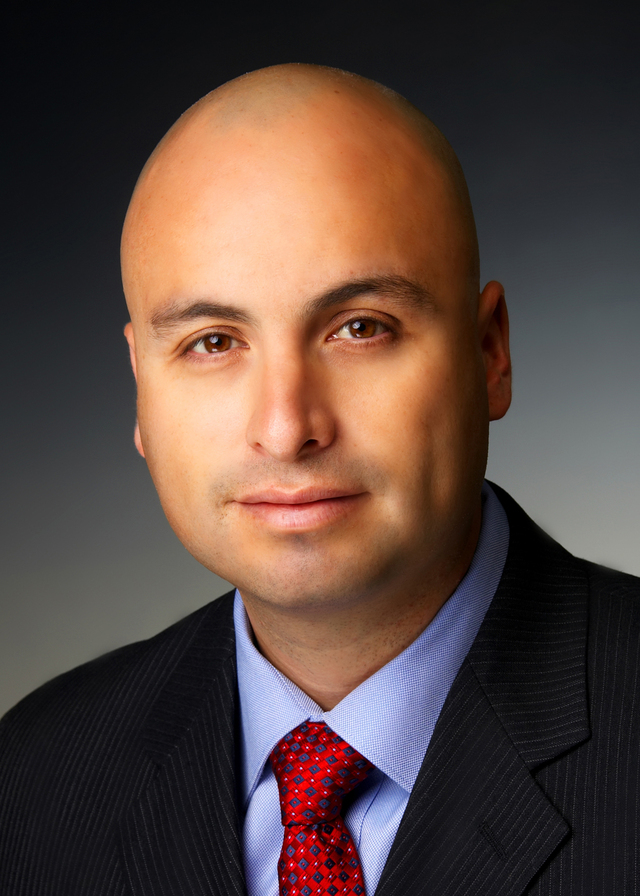 This past month, New Mexico's State Auditor Hector Balderas (right) hosted a fourteen member delegation from the Sahara region of Africa, according to a statement released by his office. The delegation discussed accountability and transparency in government, as well as job duties of the State Auditor.
“Hosting international delegations promotes further understanding of culture, governmental policies and operations,” Balderas said. “I’m honored to participate in discussions about democracy and open government.”
In addition to their stop in Santa Fe, the delegation visited Washington D.C. This is the third delegation that State Auditor Balderas has hosted since he has been State Auditor. Balderas traveled to Pakistan in 2006 as a member of the American Council of Young Political Leaders.
Technorati Tags:Hector Balderas, New Mexico Auditor, Santa Fe, New Mexico, Africa, Sahara, open government
May 13, 2008 at 09:21 AM in Current Affairs, Ethics & Campaign Reform | Permalink | Comments (0)
Friday, April 25, 2008
Domenici Admonished by Senate Ethics Committee for Calling Iglesias; More Serious Probes Continue
 Amazingly, the overwhelmingly toothless U.S. Senate Ethics Committee deigned to administer a mild rebuke to Sen. Pete Domenici for the "appearance of impropriety” in connection with his call to former U.S. Attorney David Iglesias demanding information about the timing of pending corruption indictments. The Ethics Committee has been mostly comatose for a number of years, reportedly due to an informal, mutual agreement between Dems and Repubs to refrain from taking any meaningful action on ethics complaints against Senators of one another's parties. Foxes guarding the henhouse and all that. One hand washes the other.
The Ethics Committee issued a three-page letter yesterday "admonishing" Domenici but claiming there was no "substantial evidence" of purposeful wrongdoing on his part and recommending no punishment for the infraction. As reported by the AP,
The committee finds no substantial evidence to determine that you attempted to improperly influence an ongoing investigation," the committee letter said.
"The committee does find that you should have known that a federal prosecutor receiving such a telephone call, coupled with an approaching election which may have turned on or been influenced by the prosecutor's actions ... created an appearance of impropriety that reflected unfavorably on the Senate."
Domenici and Iglesias Respond
Naturally, the Domenici camp is spinning that the letter clears Pete, while Iglesias says the Committee's action bolsters his claim that Domenici was trying to influence the outcome of the November 2006 NM-01 Congressional election between Repub incumbent Rep. Heather Wilson and Dem challenger Patricia Madrid. Domenici responded to the letter in a prepared statement, saying,
"I am gratified the Senate ethics committee has concluded its inquiry favorably without a formal adjudicatory review, confirming what I have always maintained: I did not attempt to improperly influence an ongoing investigation when I telephoned the former United States Attorney for the District of New Mexico.
"Nevertheless, as I said publicly last March when this complaint was originally filed, I regret the distraction this controversy has caused my colleagues, my staff, my family and, most importantly, my constituents. Now that this matter has concluded favorably, I am anxious to focus all of my time and attention on the business of the people of New Mexico."
So, Domenici is sorry only for the "distraction" he caused, not for the pressuring phone call itself. He refuses to acknowledge that what he did was just plain wrong. Ironic that Repubs are always droning on about "personal accountability," but never seem to believe the concept should apply to their own actions. Do as I say, not as I do. Domenici also failed to apologize for lying to the media by claiming he knew nothing about any call by him to Iglesias when the story first broke.
Iglesias, who will be making an appearance at Page One in Albuquerque next month to discuss his new book about the U.S. Attorney firing scandal, interpreted the letter as publicly admonishing Domenici for "improper activity" and said:
"I trust this will serve as a warning to other members of Congress that contacting United States attorneys in this manner is impermissible and unacceptable behavior.
"This official reprimand to a senior senator who knew better has revived my confidence in the rule of law and the sanctity of a prosecutor's independence."
CREW Criticizes Ethics Committee
The nonpartisan group Citizens for Responsibility and Ethics in Washington (CREW), which filed a complaint against Domenici with the Senate Ethics Committee on March 7, 2007, had this to say about the panel's action:
The Senate Ethics Committee turned in its usual lackluster performance with its “qualified admonition” of Sen. Pete Domenici (R-NM) ... Adding insult to injury, the committee actually commended Sen. Domenici on his candor despite the fact that when Mr. Iglesias first revealed Sen. Domenici’s actions, the senator adamantly denied ever making the call, telling The Washington Post, “I have no idea what he’s talking about.”
CREW’s executive director Melanie Sloan stated, “The ethics committee may have been unable to wholeheartedly condemn Senator Domenici’s conduct, but we have no such compunction.” Sloan continued, “The committee’s effort to minimize its reprimand of Senator Domenici itself reflects poorly on the Senate. Little is more destructive to our democracy than an attempt to use political power to influence a criminal investigation and it should be distressing to all Americans that the Senate Ethics Committee does not appear to share that view.”
Domenici called Iglesias at home one evening in October of 2006 and asked him when the pending indictments would be issued. When Domenici didn't receive assurances from Iglesias that the indictments would be filed before the November election, he said he was "sorry to hear that" and hung up abruptly on Iglesias. Iglesias was fired about a month after the call, and he became one of the major players in a U.S. Senate probe into the firing of eight U.S. Attorney's across the country for what many claim were political reasons. Attorney General Alberto Gonzales eventually resigned in connection with the scandal.
More Serious Probes Continue
According to The Hill, more serious and wide-ranging inquiries into the U.S. Attorney firing scandal continue:
The Ethics Committee’s review is hardly an end to the firings of the U.S. attorneys. Both chambers are pursuing contempt of Congress charges against White House officials for refusing to testify on the matter, and the Justice Department’s inspector general and Office of Professional Responsibility have launched far-reaching probes.
Several people close to that investigation told The Hill in January that the internal inquiry was looking at a wide-range of questions, including whether senior Justice officials lied to Congress, violated the criminal provisions in the Hatch Act, tampered with witnesses preparing to testify to Congress, obstructed justice, took improper political considerations into account during the hiring and firing of U.S. attorneys and created widespread problems in the department’s Civil Rights Division.
Rep. Heather Wilson also called Iglesias about the "sealed indictments" and that matter is still before the U.S. House Ethics Committee. I won't hold my breath waiting for any meaningful resolution of that case.
Technorati Tags:Pete Domenici, David Iglesias, Senate Ethics Committee, U.S. Attorney firings, New Mexico, Citizens for Responsibility and Ethics in Washington, CREW, Heather Wilson
April 25, 2008 at 11:03 AM in Ethics & Campaign Reform, Local Politics, U.S. Attorney Iglesias | Permalink | Comments (1)
Friday, April 18, 2008
Lobbyist $$$$ (Updated: Hillary Disses Activists)
UPDATE: A story just broke on Huffington Post about Hillary being highly critical of "Democratic activists" and MoveOn, and blaming them (in other words, us) for her prez campaign woes at a private fundraiser after Super Tuesday. Mindboggling. It obviously bugs DLC Dems that ordinary people are becoming active in the political and election processes. That damned Howard Dean started it all. Read all about it. There's an audio clip too.
************
Yes, it's one of the new Obama web ads. But it doesn't mention his name .... By the way, I was at the Dem prez candidate forum at YearlyKos last summer (below) where Hillary uttered her defense of lobbyists statement that's shown in the video. It was astonishing at the time, and I think it still is.
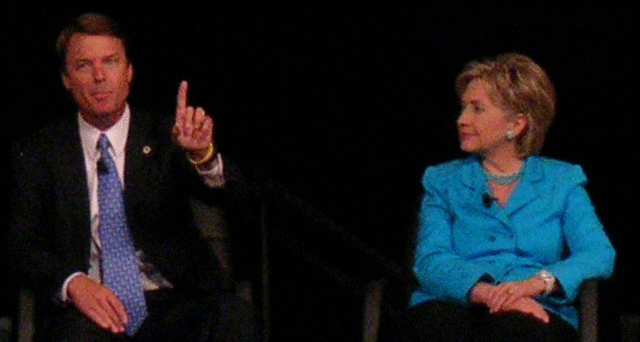
So long ago when Edwards & Kucinich were still in the race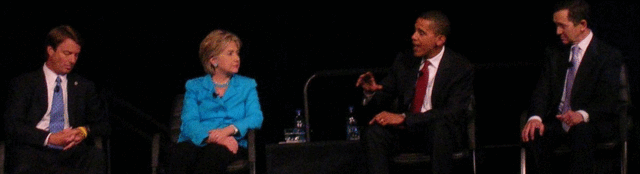
As we move ever closer to Tuesday's Pennsylvania primary, another national poll shows Obama pulling away with a large lead. According to the new Newsweek poll of registered Democrats and Dem leaners:
The survey of 1,209 registered voters found that Obama now leads Clinton by nearly 20 points, or 54 percent to 35 percent, among registered Democrats and those who lean Democratic nationwide. The previous Newsweek poll, conducted in March after Clinton's big primary wins in Ohio and Texas, showed the two Democrats locked in a statistical tie (45 percent for Obama to 44 percent for Clinton). The new poll puts Obama ahead among women as well as men, and voters aged 60 and older as well as younger voters. (For the complete poll data, click here).
One of the more devastating results for Clinton was that a majority of all registered voters now see her as dishonest and untrustworthy. According to the poll, just four in 10 (41 percent) registered voters view the New York senator as honest and trustworthy, while 51 percent think the opposite. This compares with solid majorities of voters who see Obama and McCain as honest and trustworthy (both polled 61 percent).
The results suggest that Clinton was damaged more by being caught in a tall tale about landing in Bosnia under sniper fire than Obama has been by his recent controversies, including the firestorm of criticism provoked by the Illinois senator's remarks that blue-collar voters "cling" to religion, guns and other issues because of their bitterness. In addition, over half (53 percent) of voters say they believe Obama shares their values, more than those who say the same thing about Clinton (47 percent) or McCain (45 percent).
Maybe it's because of responses like this one by Obama:
Post debate in Raleigh, NC
Technorati Tags:Hillary Clinton, Barack Obama, lobbyists
April 18, 2008 at 03:50 PM in 2008 Presidential Primary, Ethics & Campaign Reform | Permalink | Comments (3)
Friday, April 04, 2008
McCain's Lobbyist Campaign Manager Wows the Crowd at Tamaya
UPDATE: Also see Ali's post at Clearly New Mexico for her take on the meeting and a video clip.
****************
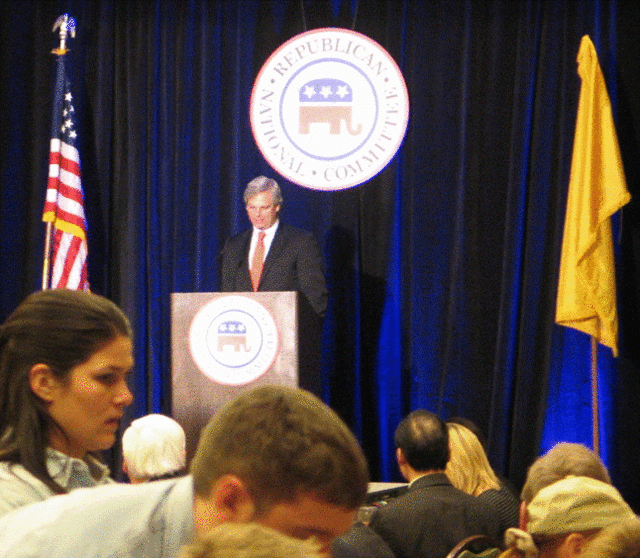
McCain campaign manager Rick Davis at GOP meeting
in Bernalillo, New Mexico today
Not really, but he probably thinks he did. Republican lobbyists like Rick Davis who have ties to both the telecom industry and Ukrainian/Russian oligarchs are like that. They're used to getting attention and they're used to getting their way. Surprised that alleged "ethical reformer" and "maverick" John McCain has a lobbyist running his campaign? You shouldn't be. His campaign staff is loaded with them.
Words and actions are apparently two different things in McCain's world. Tell the people what they want to hear and then do what your corporate masters dictate to maximize profits. It's the oldest game in the book, and it's used unsparingly by our oldest presidential candidate.
Liberals!
Davis spoke today at the confab of GOP state party chairs and RNC bigwigs that's underway at the pricey Hyatt Regency Tamaya out at Santa Ana Pueblo near Bernalillo. Besides predicting victories and trying to convince his fellow Repubs that all is well in right-wing electionland this year, Lobbyist Davis pulled out this chart to try and impress the troops:
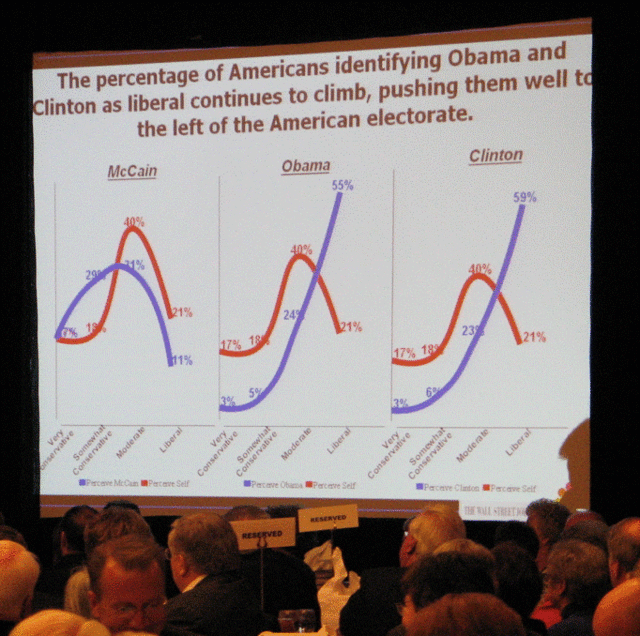
No, your eyes aren't fooling you -- there's a dirty word in plain sight on that humongous chart. LIBERAL! Davis must have thought he was very clever, showing how the percentage of Americans who identify Obama and Clinton as LIBERAL has been climbing. As if that's a bad thing or, as the chart claims, that our Dem prez candidates are "well to the left of the American electorate."
I guess it all depends on how you define LIBERAL and LEFT. Davis might be surprised to learn that polling continually shows that the majority of Americans agree with the core values held by LIBERALS. They're strongly for ending the quagmire in Iraq. They're demanding universal health care in no uncertain terms, and schools that turn out well-rounded, articulate human beings rather than test automatons. They want greedy, bottom-line obsessed financial institutions and corporations reined in to serve humans instead of the other way around. They want to be paid a living wage. They want to switch to renewable energy and clean up the environment. They want unrigged justice and a level playing field for all. And they want to keep the lobbyists like Davis as far from the political process as possible.
Mr. Lobbyist
Just who is McCain's campaign manager Rick Davis and what does he do for a living? Christy Hardin Smith of Firedoglake and Huffington Post offers some tasty tidbits:
-- Rick Davis arranged a cocktail meet and greet with McCain and a Russian businessman, Oleg Deripaska, so controversial that the US has revoked his visa -- at an economic conference in Switzerland. Davis' lobbying firm was trying to secure business with the Russian at the time, while the firm was already representing a competing political interest in Ukraine.
-- Mr. Davis, while working with the McCain 2008 campaign, also managed to procure a fat internet services contract from the campaign and kept lobbying for clients whose interests were opposed to McCain's own policy pronouncements.
--It seems that Davis has quite a few money-scandal skeletons in his closet:
Davis is a particularly easy target, having several money-related scandals in his background. A veteran of the Reagan administration, Davis ran McCain's presidential bid six years ago. He also founded a lobbying firm -- Davis, Manafort Inc. -- which has made at least $2.8 million lobbying Congress since 1998.
Over the past eight years, Davis' two roles often overlapped. In 1999, while he was McCain's campaign manager, his firm represented SBC Communications Inc. and Comsat Corp. At that time, both communications companies had controversial mergers pending at the Federal Communications Commission. The Senate Commerce Committee has legislative authority over the FCC, and McCain was chairman of that committee. Both mergers were eventually approved....
There's lots more on Davis, and other lobbyists who work for McCain, but you get the idea. Mr. Straight Talk's campaign is run by a prominent Crooked Talker.
McCain Attempts Mea Culpa
And where was McCain today -- on the 40th anniversary of the assassination of Martin Luther King, Jr.? Trying to make amends for his history of colluding with the equality-impraired -- and battling against the Martin Luther King Jr. holiday -- by speaking at the Civil Rights Museum in Memphis. Where he got booed, rained on and hassled. He also dissembled to the press about his dismal civil rights record, and became irritated when pressed. But at least he's not LIBERAL.
April 4, 2008 at 07:35 PM in Corporatism, Ethics & Campaign Reform, John McCain, Minority Issues, Republican Party | Permalink | Comments (6)
Wednesday, April 02, 2008
Tonight & Sunday: Last Two Town Hall Meetings with NM Sen. Ortiz y Pino
The last two in a series of four town hall meetings with NM District 12 Sen. Jerry Ortiz y Pino (and possibly additional guests and elected officials) are set for tonight and Sunday, each covering a different topic. Come and hear about what did (and didn't!) happen during the 2008 Legislative Session. For more information: 505-256-0668 or desibrown@comcast.net.
Wednesday, April 2, 7:00 - 9:00 PM
Townhall Meeting on Electoral and Ethics Issues. It takes place at Heights Community Center (824 Buena Vista SE - Albuquerque).
Sunday, April 6, 4:00 - 6:00 PM
Townhall Meeting on Health Care Issues. It takes place at Senator Ortiz y Pino's residence (400 12th Street NW - Albuquerque).
April 2, 2008 at 10:35 AM in Ethics & Campaign Reform, Events, Healthcare, Local Politics, NM Legislature 2008 | Permalink | Comments (0)
Tonight on We The People: Steve Allen of Common Cause
WE THE PEOPLE
Steve Allen, Common Cause NM Executive Director
Let's Take the Profit out of Politics
April 2, 2008 on ABQ CABLE - Channel 27
1st and 3rd Wednesdays at 6 PM on TV
Or on the web at www.quote-unquote.org:
On the right side - click for Channel 27's Media Stream
Thanks for watching!
Mickey Bock, Host; Judith Binder, Producer
April 2, 2008 at 09:05 AM in Ethics & Campaign Reform, Media | Permalink | Comments (0)